

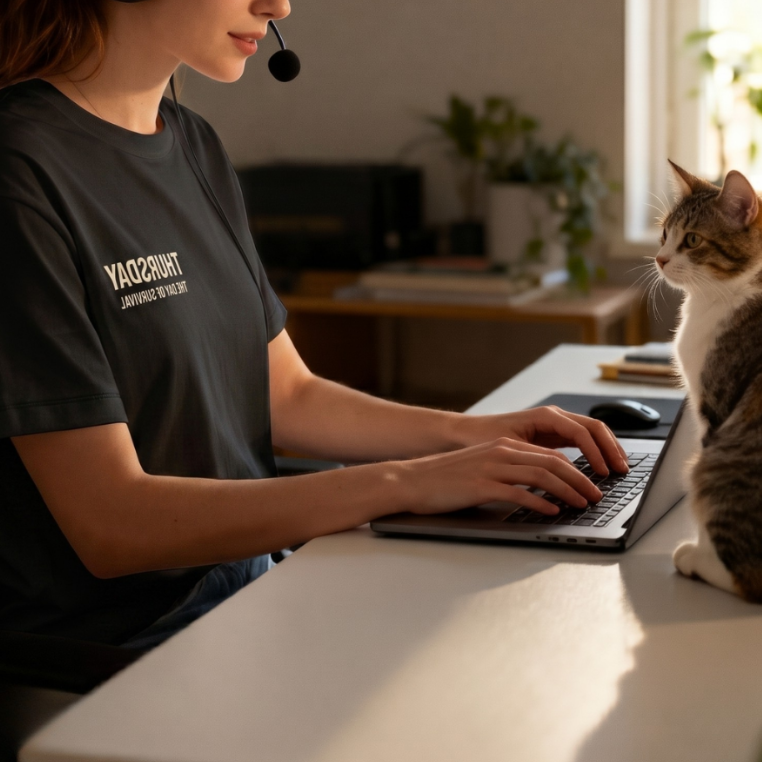



Remote work is no longer a temporary adjustment. For many professionals, it has become a permanent way of working.
While technology has made remote collaboration easier than ever, creating a comfortable and productive workday still requires the right foundation.
The good news is that successful remote work rarely depends on having the most expensive equipment or the most elaborate setup. Instead, it comes down to a few essential elements that support focus, comfort, and consistency.
So, what exactly are the essentials that make remote work more effective?
Remote Working Essentials for 2026 and Beyond!
1) Dedicated Workspace Makes a Difference
‘According to the 2026 Remote Work Well-Being Survey, only 22% of remote workers said their home setup needed no improvement, while most respondents identified better chairs, quieter spaces, and improved work environments as areas they wanted to upgrade.’
One of the most important remote working essentials is having a dedicated workspace.
It doesn't need to be a separate office. Even a small, consistent area can help create a mental distinction between work and personal life. When your brain associates a particular space with work, it becomes easier to focus and maintain productivity throughout the day.
A comfortable chair, adequate lighting, and a clutter-free environment can often have a greater impact than adding more technology.
2) Keep Your Technology Simple and Reliable
Remote work depends heavily on technology, but more tools do not always lead to better results.
In fact, “The 2026 State of the Digital Workplace report found that fewer than one in five organisations describe their digital workplace as 'frictionless and productive."
Yes, access to reliable technology is still a challenge, but it is not the only one. Another major issue is the growing complexity of managing multiple tools, platforms, and workflows at the same time.
So to tackle that issue, basically, a remote worker will need,
-
Reliable internet access, a quality headset, and a dependable computer are often enough for most professionals.
-
Remote work can already feel chaotic, so the tools people rely on should make the day easier to manage. Simplified technology flow is a must!
-
Clear communication matters far more than a complex stack of applications.
3) Build a Routine You Can Maintain
One of the biggest challenges of remote work is the lack of natural structure.
Without a commute or a physical office, workdays can easily become fragmented. Establishing a consistent start time, taking regular breaks, and setting clear boundaries at the end of the day can improve both productivity and wellbeing.
Small routines help create stability, especially during busy periods.
4) Don't Overlook What You Wear
Clothing may not be the first thing people think about when discussing remote working essentials, but it plays an important role in daily comfort and professional presence.
When remote work first became mainstream, many professionals embraced the freedom of dressing however they liked. Meetings were shorter, cameras were often off, and most interactions happened through chat or email…
That is no longer the reality for many remote teams!
In 2026, video calls have become a normal part of the workday. Team check-ins, client meetings, workshops, interviews, and unexpected calls often happen with little notice. Being visible has become part of the job.
This does not mean returning to formal office attire. One of the greatest advantages of remote work is flexibility. However, flexibility has also created a new challenge: being comfortable enough to work all day while remaining presentable enough for a video call that appears on your calendar five minutes from now.
Most people do not want to maintain a wardrobe filled with different outfits for every type of meeting. They want clothing that works across different situations without requiring a second thought.
That is why comfortable work-from-home clothing has become one of the most overlooked remote working essentials!
5) Reduce Daily Decisions
Remote work gives people more freedom over how they structure their day. That freedom is valuable, but it comes with a hidden cost: decision fatigue.
-
What should I work on first?
-
Should I answer emails now or later?
-
Do I need a break?
-
Should I start the difficult task or finish smaller ones first?
Individually, these decisions seem insignificant. Repeated dozens of times throughout the day, they consume attention that could be spent on more meaningful work.
The growing popularity of productivity tools reflects this challenge. So, what are the remote-working essentials according to the WFH team?
-
Pomodoro timers remain widely used, focus apps continue to evolve, and some platforms have introduced creative ways to help users overcome procrastination.
-
Claude's recently introduced "Task Paralysis Shatterer," for example, helps users break overwhelming projects into small actions that can be completed in a minute or two.
-
Other applications turn focus sessions into games, allowing users to build virtual worlds, cities, or even galaxies while they work.
While these tools differ, they all address the same problem: getting started.
Many successful remote workers solve this challenge with simple systems. They plan their day in advance, create routines around recurring tasks, and reduce the number of small decisions they need to make throughout the day.
‘The goal is to reduce daily decision-making by planning ahead and relying on tools that make work easier.’ WFH Team!
Final Thoughts
The most valuable remote working essentials are often the simplest. A dedicated workspace, reliable technology, sustainable routines, and comfortable clothing can make remote work more productive and enjoyable over the long term.
As remote work continues to evolve, creating an environment that supports both comfort and performance remains one of the smartest investments professionals can make.
Leave a comment